Source Dry Bib Options for Baby, Adult, and Solid Feeding
Find 30 dry bib products for baby, adult, and solid feeding needs. Compare materials like cotton, silicone, and paper, along with sizes, weights, and customization options to select the right supplier; compare the available evidence and request quotations based on your requirements.
Key considerations
Products List


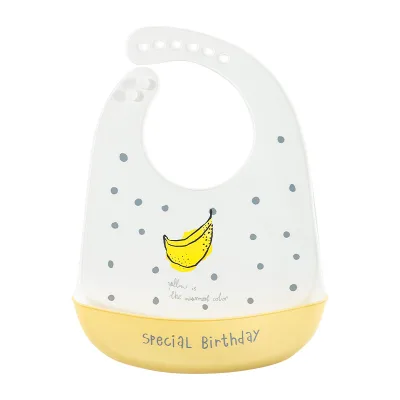


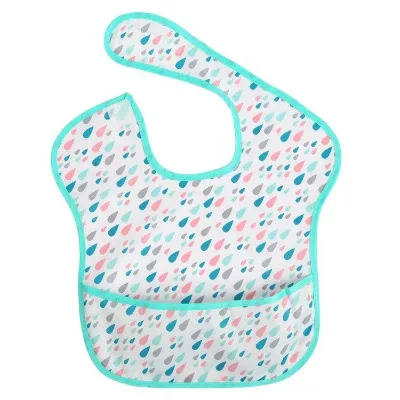
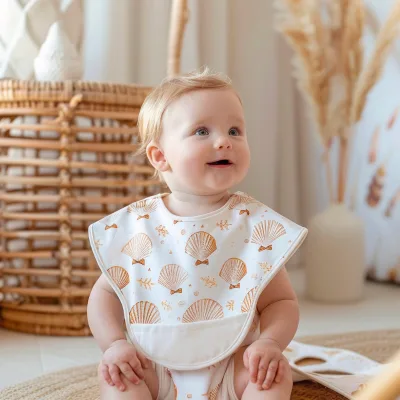
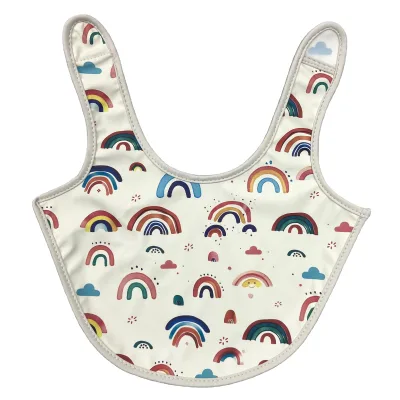
Comprehensive Sourcing Guide
Dry Bib Sourcing Guide
The dry bib market encompasses a diverse range of products designed for infant feeding and adult incontinence, with observed listings featuring materials from 100% cotton to silicone and wood pulp paper. Buyers must distinguish between standard plain bibs intended for solid food and specialized models like the BB-1501 series, which often feature specific dimensions such as 24x38cm or 34x49.5cm. Understanding these material and size variations is critical, as the intended use case dictates the necessary absorbency, washability, and durability requirements for the final product.
Procurement strategies should account for the wide variance in minimum order quantities, which range from 10 units for sampling to 150,000 units for large-scale distribution. While some suppliers offer customization for logos and specific sizes, others maintain strict standard models like the DCP-5805 with fixed packaging of 500 pieces per polybag. Buyers need to align their volume requirements with supplier capabilities, ensuring that the selected partner can accommodate both small batch customizations and high-volume production runs without compromising on the specified technical standards.
Product Scope and Observed Listing Signals
Buyers should verify that product listings explicitly state the material composition, as observed data includes cotton, silicone, and wood pulp paper with PE layers. The presence of specific model numbers like BB-1504 or BB-1519-L indicates distinct product lines with unique weight profiles, ranging from 7.4g for paper-based options to 60g for larger silicone variants. This variation in weight and material directly impacts the perceived quality and suitability for different age groups, requiring careful selection based on whether the target demographic is infants or adults.
Packaging specifications serve as a key indicator of supplier professionalism and logistics readiness, with observed formats including frosted zipper bags, OPP polybags, and bulk PE bags. Some listings specify 10 pieces per polybag for standard cotton bibs, while others offer single-unit packaging for premium silicone models. Procurement teams must confirm that the packaging method aligns with their retail requirements, ensuring that the chosen format protects the product during transit while meeting any specific branding or unboxing expectations for the end consumer.
Technical Specifications to Verify
Technical due diligence must focus on the precise dimensions and weight of the bibs, as observed listings show sizes varying from 20x30.5cm to 36x50+10cm depending on the model. Buyers should request physical samples to confirm that the stated weight, such as 48g for a standard cotton bib or 10g for a specific adult model, matches the actual product received. Discrepancies in these metrics can indicate quality control issues or the use of inferior materials that may affect the product's performance and longevity in real-world usage scenarios.
The manufacturing technics, whether plain dyed or printed, significantly influence the aesthetic appeal and durability of the final product. Listings indicate that logo printing is available, but the specific technique used must be verified to ensure the design does not fade or peel after repeated washing. Additionally, the distinction between standard plain models and solid bibs with custom size requests requires clear communication to ensure the supplier can meet the exact dimensional and stylistic requirements of the buyer's brand.
Compliance and Safety Documentation
Safety compliance is paramount, with observed listings citing CE standards as a baseline requirement for products originating from regions like Jiangsu and Zhejiang. Buyers must verify that the supplier can provide valid test reports confirming that the materials, particularly silicone and cotton, meet relevant safety thresholds for direct skin contact. While some background information mentions OEKO-TEX, this should not be assumed without explicit documentation, and procurement teams should insist on current certificates to ensure the products are free from harmful substances.
Documentation requirements should extend beyond basic standards to include specific material safety data sheets for all components, including the PE layers found in paper-based bibs. It is essential to confirm that the supplier adheres to the stated production standards, such as the 1pcs/Frosted zipper bag specification, which may imply specific hygiene protocols during the packaging process. Buyers should request evidence of these compliance measures to mitigate the risk of regulatory non-compliance in their target markets.
Cost Drivers and Commercial Terms
Cost structures are heavily influenced by the material choice and the complexity of the customization requested, with observed price ranges spanning from $0.01 to $3.99 per unit. Silicone and custom-printed models typically command higher prices compared to standard plain cotton bibs, reflecting the difference in raw material costs and processing techniques. Buyers must analyze the total landed cost, considering that higher unit prices may be offset by lower minimum order quantities or reduced shipping costs for smaller, lighter items.
Commercial terms regarding minimum order quantities vary significantly, with some suppliers requiring 3,000 pieces for solid bibs while others accept orders as low as 10 units. Negotiation strategies should focus on balancing volume discounts with the flexibility to adjust order sizes based on market demand. Procurement teams should clarify payment terms and lead times, ensuring that the supplier can scale production up or down without incurring excessive penalties or delays that could disrupt the supply chain.
Supplier Qualification and Quality Control
Supplier qualification should prioritize manufacturers with a proven track record in producing specific bib types, such as the standard plain models or the specialized BB-1501 series. Buyers must assess the supplier's ability to maintain consistency across production batches, particularly regarding the weight and dimensions that are critical for product fit and function. A robust quality control system is essential to ensure that every unit meets the specified standards, from the initial material selection to the final packaging stage.
Quality control protocols must include rigorous inspection of the logo printing and technics, ensuring that printed designs are clear and durable. Suppliers should demonstrate their capacity to handle the specific packaging requirements, whether it is the 1PC/Frosted Polybag for premium items or the 500PCS/PE Bag for bulk orders. Establishing a clear communication channel for quality feedback and defect resolution is vital to maintaining product integrity and ensuring that the final delivery meets the buyer's expectations.
Long-Term Procurement Checks
Long-term procurement success depends on establishing a reliable supply chain that can adapt to changing market demands and regulatory requirements. Buyers should conduct periodic audits of their suppliers to verify that production processes remain consistent and that any changes in materials or standards are communicated transparently. This proactive approach helps prevent disruptions and ensures that the product quality remains high over the life of the contract.
Continuous monitoring of supplier performance metrics, such as on-time delivery rates and defect percentages, is essential for maintaining a competitive edge. Buyers should also stay informed about updates to safety standards and material regulations to ensure ongoing compliance. By fostering a collaborative relationship with suppliers and maintaining open lines of communication, procurement teams can secure a stable supply of high-quality dry bibs that meet the evolving needs of their customers.
FAQs
What materials are used for dry bibs?
Dry bibs are crafted from various materials including 100% cotton, silicone, and wood pulp paper with PE lining. Cotton options offer softness and eco-friendly properties, while silicone provides durability and washability. Paper-based versions utilize wood pulp for absorbency. Each material serves specific functional needs for different user groups, ensuring comfort and practicality in daily use scenarios.
Can dry bibs be customized with a logo?
Yes, dry bibs support logo printing customization. Suppliers offer plain dyed and printed techniques to apply branding. This feature allows businesses to add unique identifiers to standard or solid bib models. Customization enhances brand visibility for corporate gifts or retail products. Buyers can request specific logo placements and designs to meet their marketing requirements effectively.
What are the standard packaging options for dry bibs?
Standard packaging includes polybags, frosted zipper bags, and OPP polybags. Quantities vary, such as 10 pieces per polybag or single items in frosted bags. Some bulk orders use PE bags containing 500 pieces. Packaging choices depend on the product model and buyer preferences, ensuring safe transport and convenient storage for both retail and wholesale distribution channels.
Which certifications apply to dry bib products?
Dry bibs may carry CE certification standards. This indicates compliance with specific safety and quality regulations for products sold in relevant markets. Buyers should verify certification details with suppliers to ensure alignment with local import requirements. CE marking provides assurance of product safety, which is crucial for baby care items and other consumer goods in international trade.
What is the typical MOQ for solid bibs?
The minimum order quantity for solid bibs is typically 3000 pieces. This threshold ensures efficient production runs for manufacturers. Buyers planning large-scale procurement should consider this MOQ when budgeting and inventory planning. Smaller quantities might be available for different bib types, but solid variants generally require higher volume commitments to meet manufacturing efficiency standards.
Where are dry bibs primarily manufactured?
Dry bibs are primarily manufactured in Jiangsu and Zhejiang provinces in China. These regions are known for their robust textile and manufacturing industries. Sourcing from these locations offers access to established supply chains and production capabilities. Buyers can leverage these geographic advantages for reliable delivery and competitive pricing when sourcing dry bib products for their business needs.